

Understanding the Digital Marketing Process
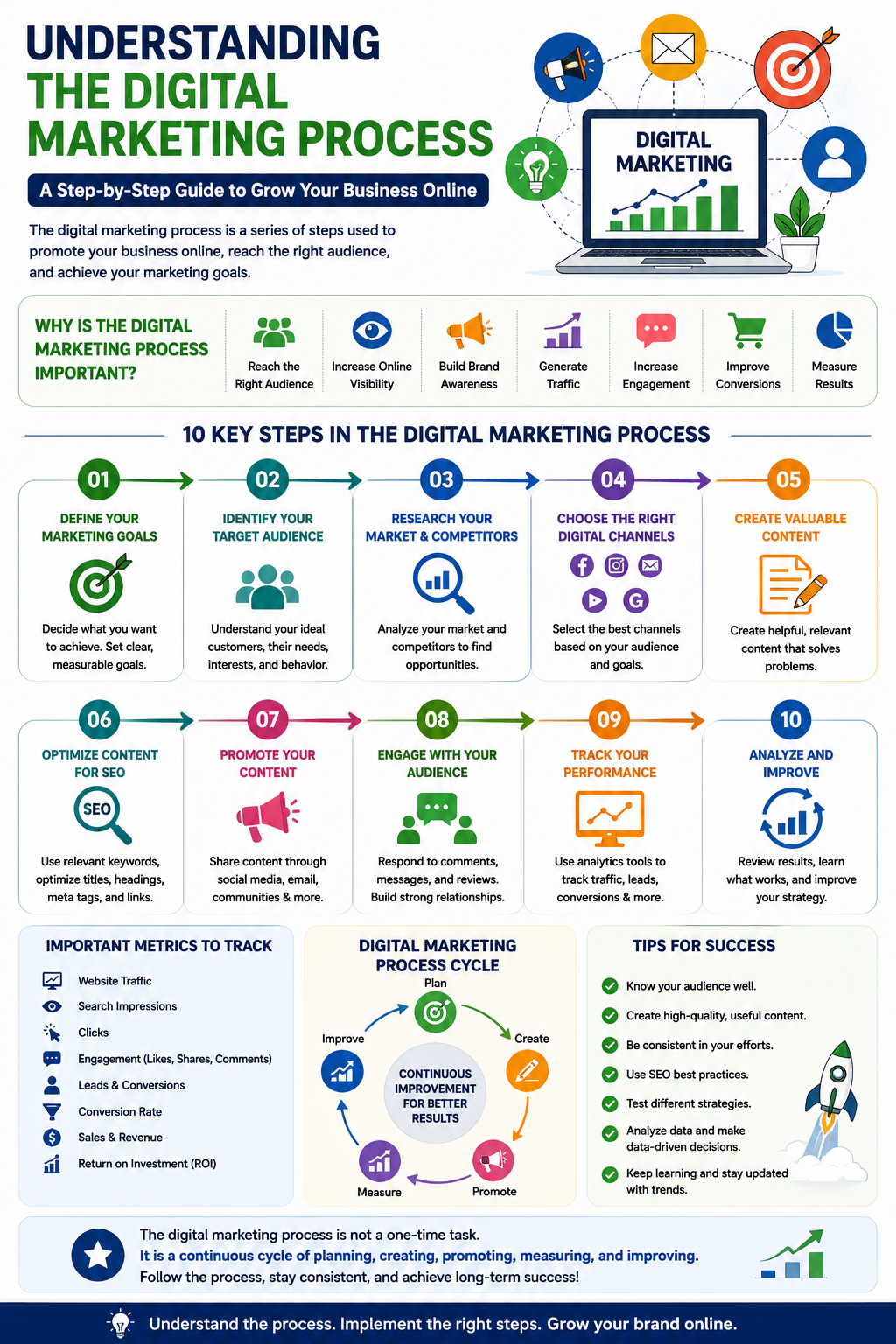
Understanding the digital marketing process helps businesses reach the right audience, build brand awareness, and increase online sales. Digital marketing uses online channels to connect businesses with potential customers.
A clear digital marketing process helps you plan your goals, reach your audience, measure results, and improve your strategy.
What Is the Digital Marketing Process?
The digital marketing process is a series of steps used to promote a business, product, or service online. It starts with understanding your goals and target audience. It then moves through planning, content creation, promotion, and performance tracking.
A successful process does not end after publishing content. You should regularly check your results and improve your strategy.
Why Is the Digital Marketing Process Important?
Understanding the digital marketing process can help businesses make better marketing decisions.
Some important benefits include:
- Reach the right audience: Target people who are interested in your products or services.
- Increase online visibility: Help more people discover your business online.
- Build brand awareness: Create a strong and recognizable online presence.
- Generate website traffic: Bring more relevant visitors to your website.
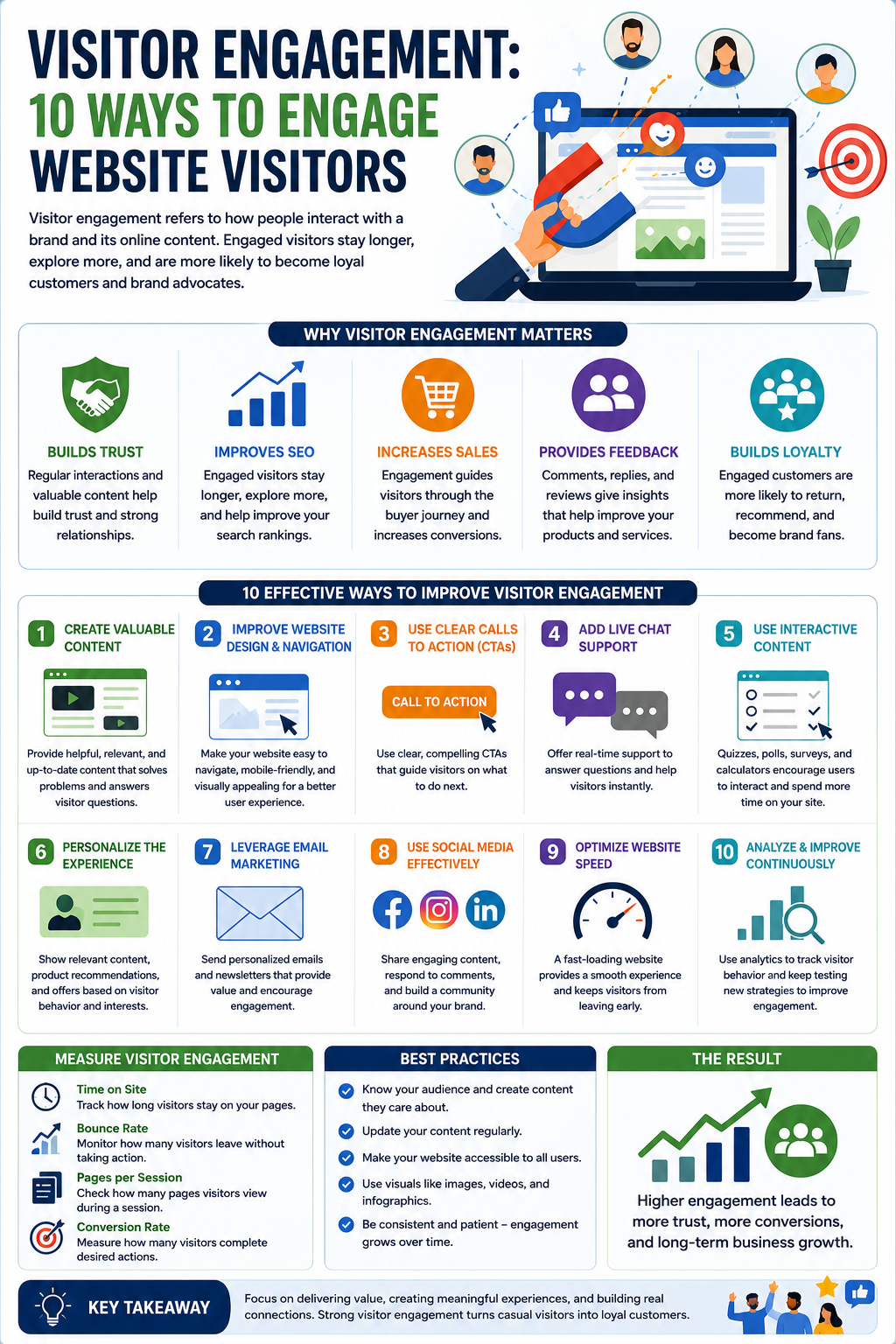
- Increase engagement: Encourage visitors to interact with your content.
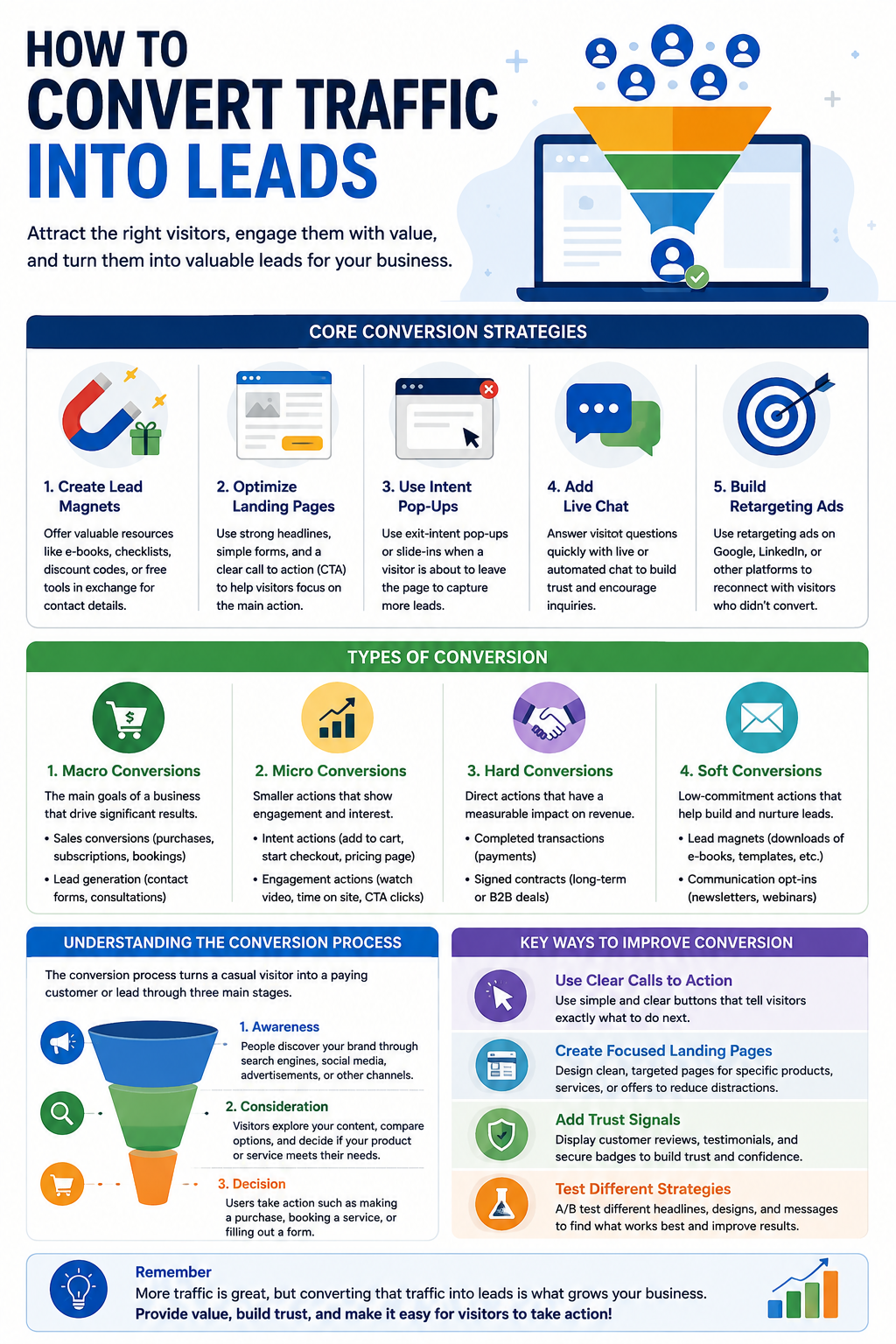
- Improve conversions: Turn interested visitors into customers or leads.
- Measure results: Use data to understand what works and what needs improvement.
Key Steps in the Digital Marketing Process
1. Define Your Marketing Goals
The first step is to decide what you want to achieve. Your goal could be to increase website traffic, generate leads, improve sales, or build brand awareness.
Clear goals make it easier to measure your progress.
2. Identify Your Target Audience
Learn who your ideal customers are. Consider their needs, interests, problems, and online behavior.
Understanding your audience helps you create content that is useful and relevant.
3. Research Your Market and Competitors
Study your market and competitors before creating your strategy. Look at their websites, content, keywords, social media activity, and marketing methods.
This research can help you find opportunities and create a stronger strategy.
4. Choose the Right Digital Channels
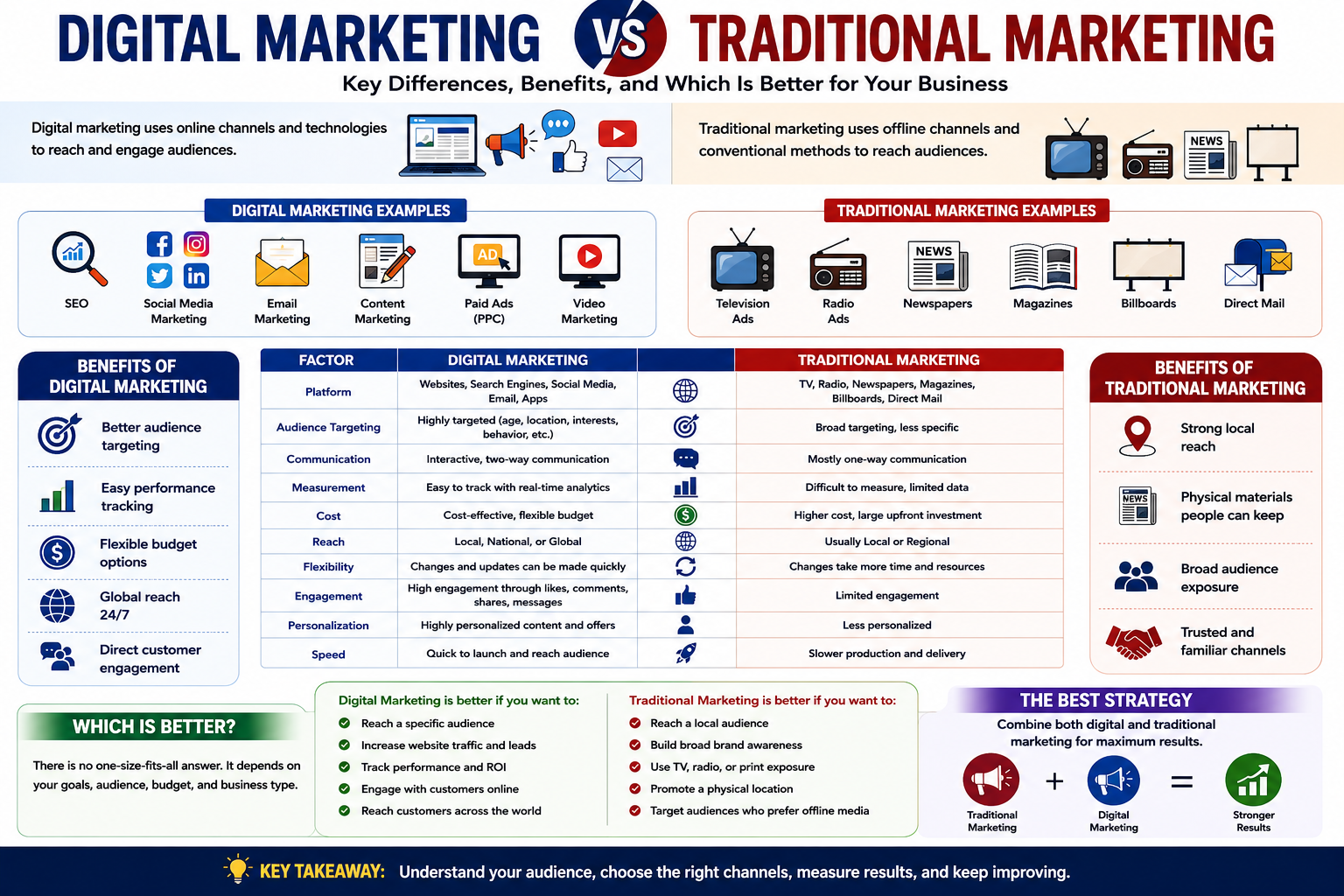
Different businesses need different marketing channels. Common digital marketing channels include:
- Search engine optimization (SEO)
- Social media marketing
- Email marketing
- Content marketing
- Search advertising
- Video marketing
- Influencer marketing
Choose channels based on your goals and target audience.
5. Create Valuable Content
Content is an important part of digital marketing. Create useful content that answers questions and solves problems.
You can create:
- Blog posts
- Videos
- Infographics
- Social media posts
- Guides
- Case studies
- Product pages
Good content can attract visitors and build trust with your audience.
6. Optimize Your Content for SEO
SEO helps your content appear in search engine results. Use relevant keywords in your titles, headings, content, URLs, and meta descriptions.
Also, use internal links and relevant external links where they provide additional value.
7. Promote Your Content
Creating content is only one part of the process. You also need to promote it.
Share your content through social media, email newsletters, online communities, and other suitable channels.
8. Engage With Your Audience
Respond to comments, questions, messages, and reviews. Regular communication can help build stronger relationships with your audience.
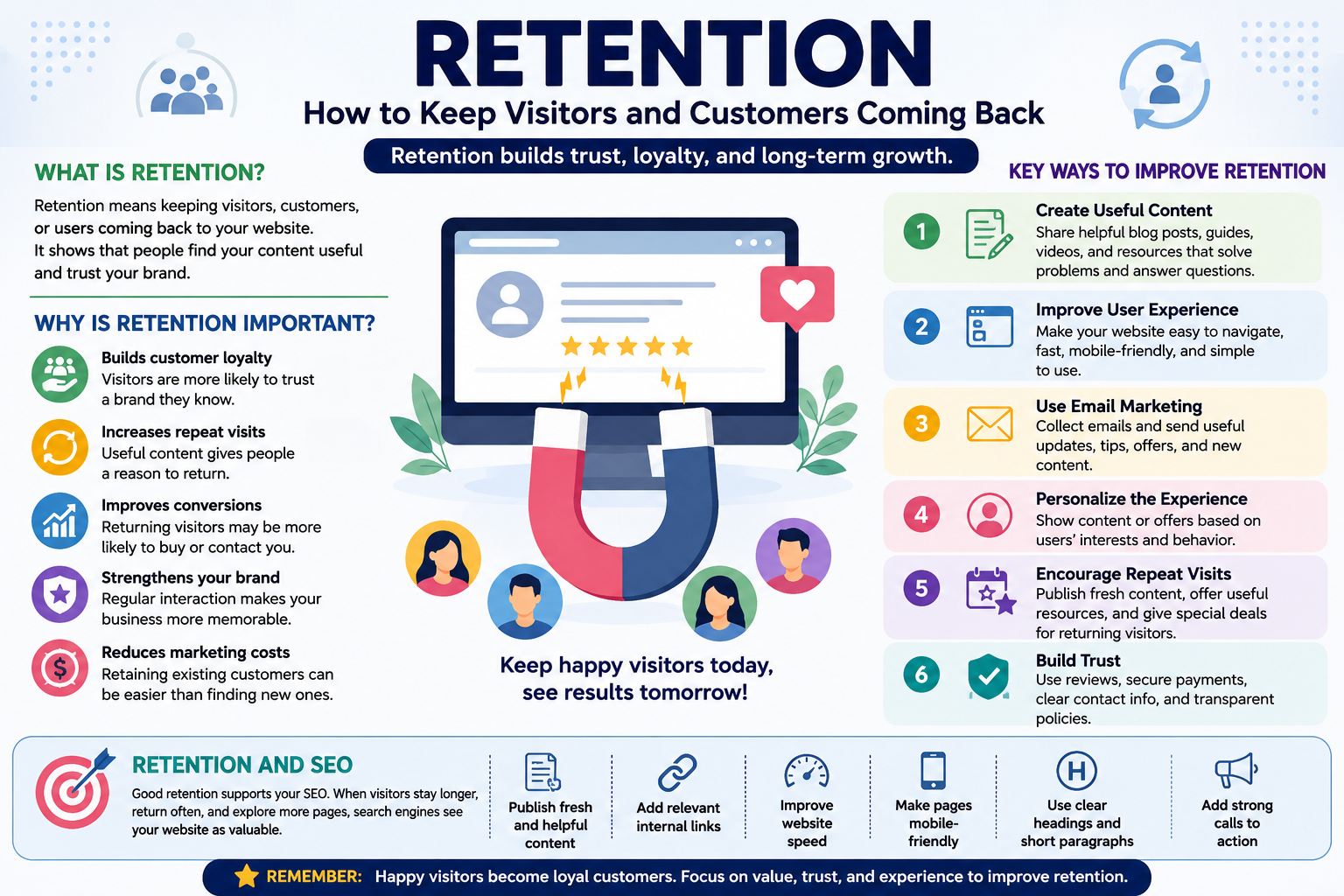
Good engagement can also improve trust and encourage people to return to your website.
9. Track Your Performance
Use analytics tools to measure your marketing results. Important metrics can include:
- Website traffic
- Search impressions
- Clicks
- Engagement
- Leads
- Conversion rate
- Sales
- Return on investment
Tracking these metrics helps you understand which strategies are performing well.
10. Analyze and Improve
The digital marketing process is continuous. Review your results regularly and identify areas for improvement.
If a campaign is performing well, you can build on its success. If something is not working, test a different approach.
Digital Marketing Process Example
Imagine a business wants to increase sales through its website.
First, it sets a goal to increase online sales. Next, it identifies its target audience and researches competitors.
The business then creates helpful blog content and product pages. It optimizes those pages for SEO and promotes them through social media and email marketing.
Finally, the business tracks traffic, leads, and sales. It uses the results to improve future campaigns.
This simple cycle can be repeated to achieve better results over time.
Digital Marketing Process and SEO
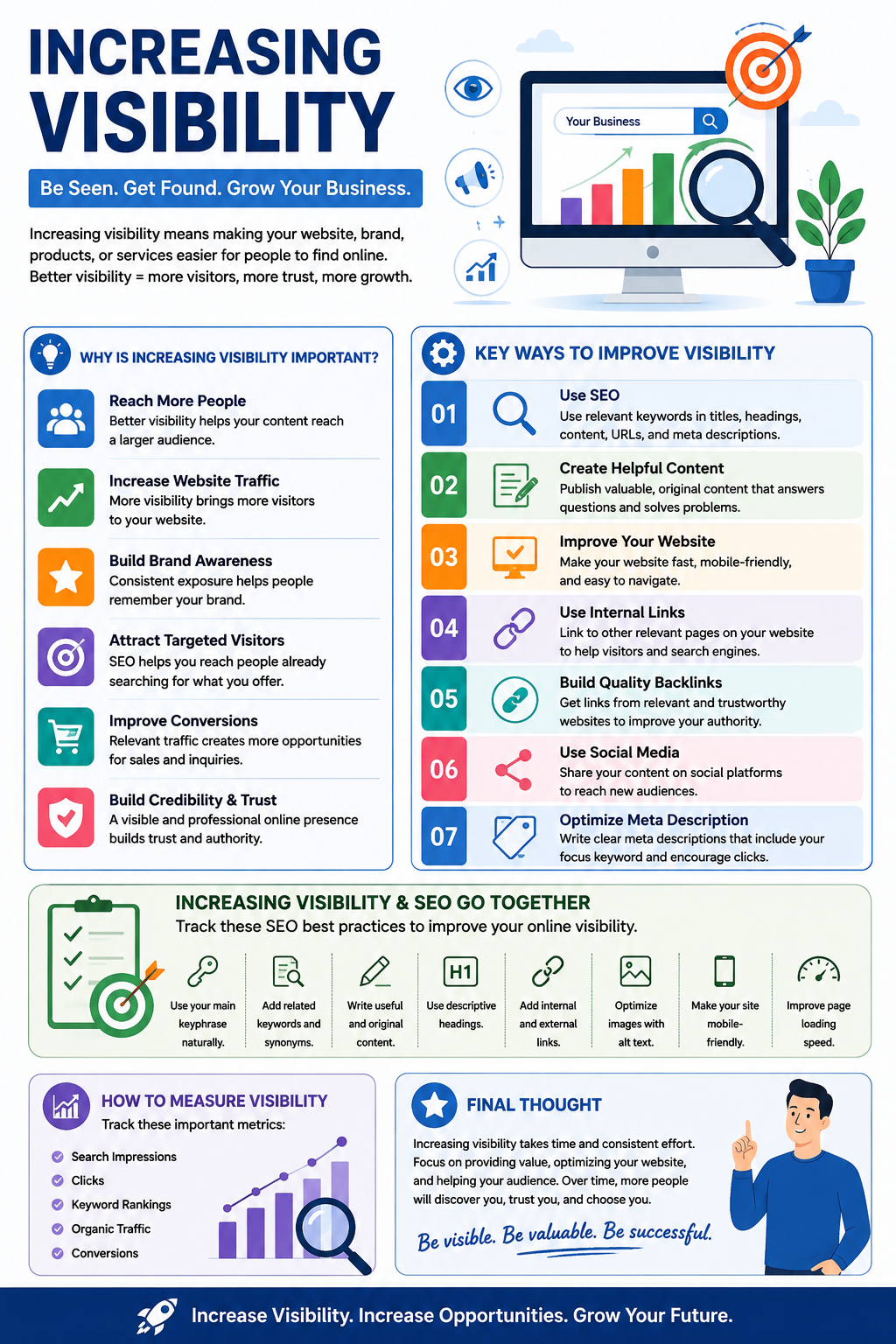
SEO is an important part of the digital marketing process. It helps businesses improve their search visibility and attract people who are actively looking for relevant information, products, or services.
For better SEO results:
- Use a clear focus keyphrase.
- Write useful and original content.
- Use descriptive headings.
- Add relevant internal links.
- Include useful external links.
- Optimize images with descriptive alt text.
- Improve website speed.
- Make your website mobile-friendly.
- Update old content when necessary.
Conclusion
Understanding the digital marketing process makes it easier to create an effective online marketing strategy. Start by setting clear goals and understanding your audience. Then choose the right channels, create valuable content, optimize it for SEO, and promote it.
Most importantly, measure your results and keep improving. Digital marketing works best when businesses use data and customer feedback to make better decisions.





Leave a Reply