


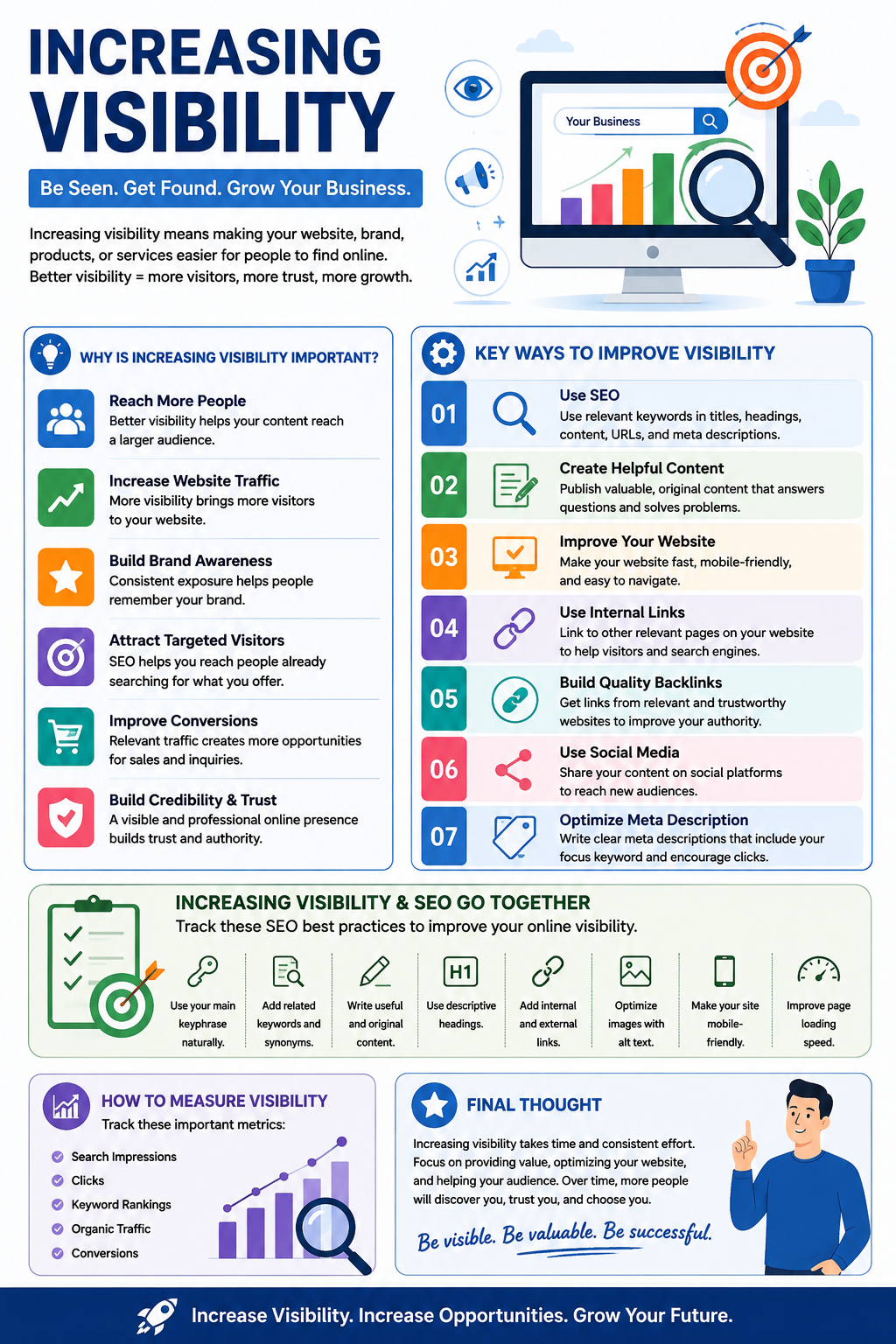
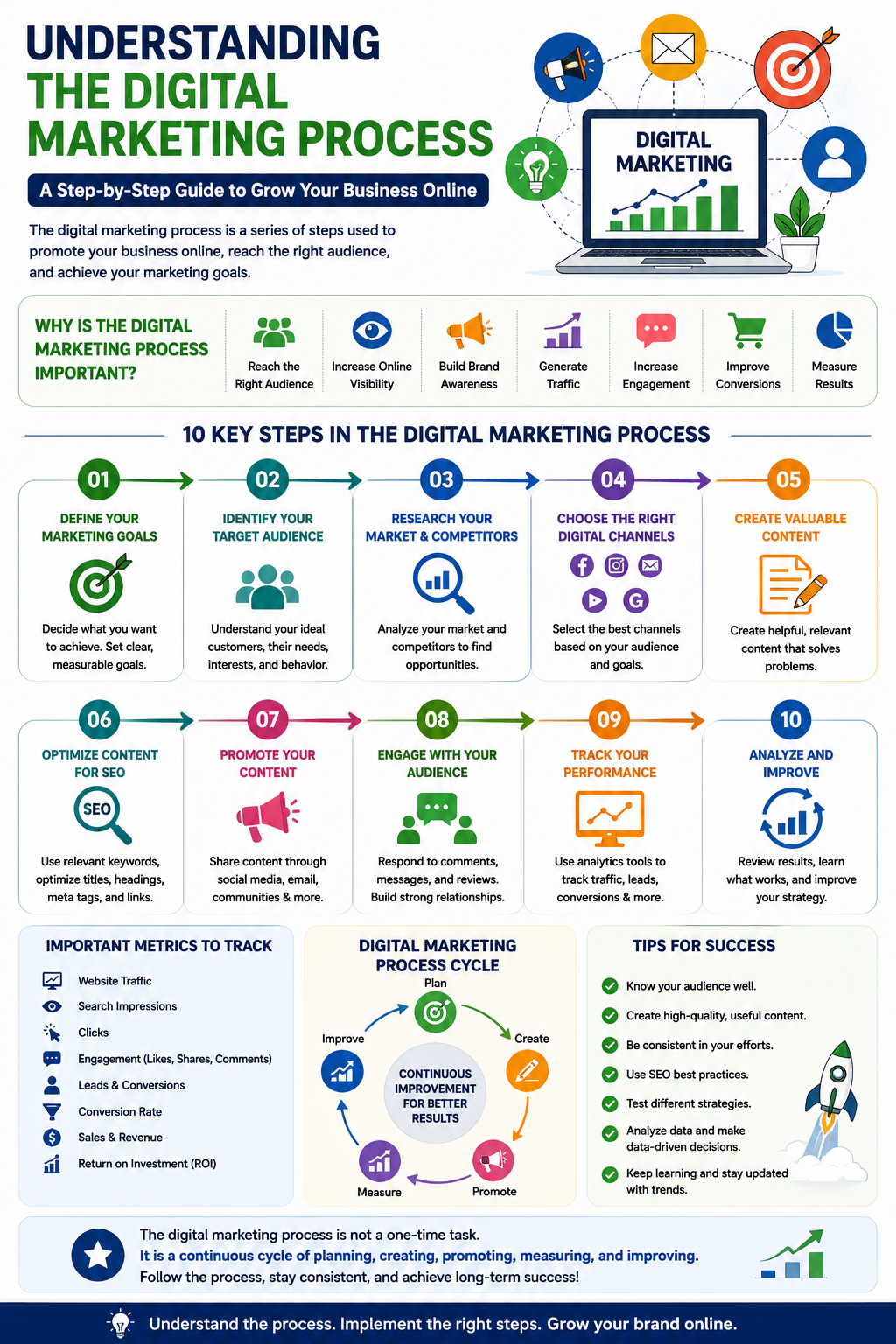
Bringing targeted traffic in digital marketing means using search engine optimization (SEO), paid search ads, and precise social media audience filters to attract real, interested buyers rather than random browsers.
Search Engine Optimization (SEO)
- Keyword targeting: Use exact words your buyers type into Google.
- Intent-driven content: Write clear answers to questions your customers ask.
- Local search: Set up a Google Business Profile for local visitors.
Paid Advertising
- Search ads: Pay for high-intent clicks using Google Ads.
- Social ads: Filter by age, job, or hobbies on platforms like Meta Ads Manager.
- Retargeting: Show ads to people who already visited your site.
Social Media and Outreach
- Niche sharing: Post helpful tips where your audience spends time.
- Collaborations: Partner with industry experts or creators.
Inbound:
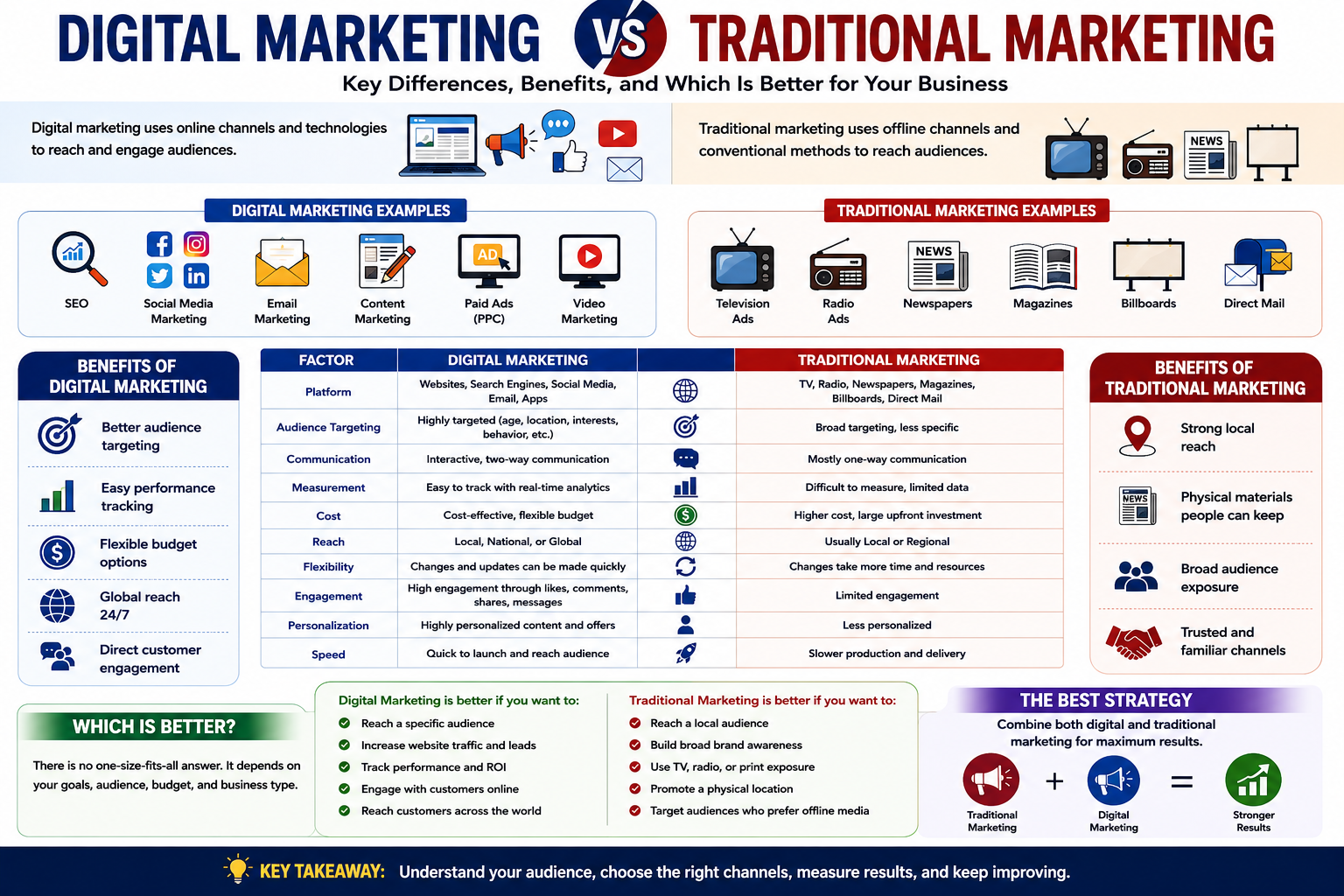
Inbound marketing is a business method that pulls customers in by sharing helpful content, using search engine optimization (SEO), and building trust instead of interrupting people with ads.
Core Stages
- Attract: Draw the right people in using blogs, videos, and social media that answer their questions.
- Engage: Show solutions and ideas that fit their needs so they want to talk to you or buy.
- Delight: Help and support your buyers after they purchase so they stay happy and tell others.
Main Tools Used
- SEO: Making your website show up high on Google when people look for answers.
- Content Marketing: Writing articles, making videos, or hosting podcasts that solve problems.
- Social Media: Sharing useful links and talking with your audience online.
- Lead Magnets: Offering free guides or tools in exchange for an email address.
Outbound:
Outbound marketing in digital marketing is a traditional “push” strategy where a company initiates contact and sends messages directly to users, such as through paid display ads, social media ads, and cold emails, rather than waiting for customers to find them. It aims for quick visibility and wide reach.
Key Digital Outbound Tactics
- Paid Display Ads: Banner ads or pop-ups placed on websites to catch user attention.
- Social Media Ads: Paid sponsored posts pushed to targeted user feeds.
- Cold Emailing: Sending promotional emails to lists of people who did not explicitly request them.
- Search Engine Ads: Paid text ads (like Google Ads) that show up at the top of search results.
Pros and Cons
- Pros: Fast results, easy audience targeting by age or location, and great for building quick brand awareness.
- Cons: Can feel interruptive or annoying to users, often results in lower response rates, and people frequently use ad blockers.



Leave a Reply