


Understanding the marketing process helps businesses identify customer needs, create valuable products or services, and reach the right audience. A clear marketing process helps businesses plan their activities and achieve their goals.
Marketing is not only about selling a product. It is also about understanding customers, creating value, building relationships, and meeting customer expectations.
What Is the Marketing Process?
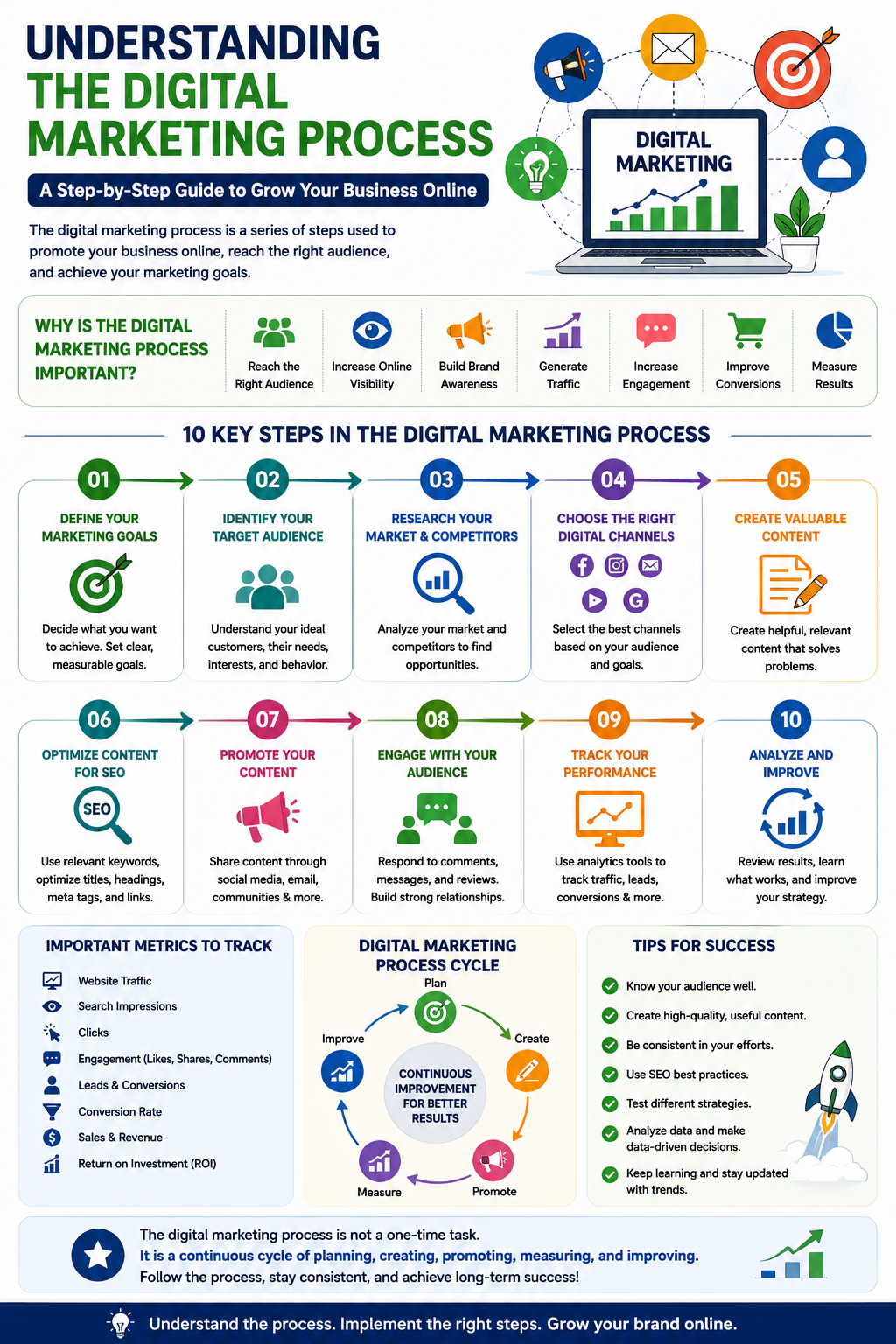
The marketing process is a series of steps that businesses follow to understand their customers and promote their products or services.
The process starts with market research. Businesses then identify their target audience and understand their needs. After that, they create a marketing strategy, develop an offer, promote it, and measure the results.
The marketing process is continuous. Businesses should review their results and improve their strategies over time.
Why Is Understanding the Marketing Process Important?
Understanding the marketing process helps businesses make better decisions. It also helps them use their time and marketing budget more effectively.
Some important benefits include:
- Understand customer needs: Learn what customers want and expect.
- Identify the target audience: Focus marketing efforts on the right people.
- Create better strategies: Use research to make informed marketing decisions.
- Increase brand awareness: Help more people discover your business.
- Attract potential customers: Reach people who may need your products or services.
- Improve customer relationships: Build trust through useful communication.
- Increase sales: Turn interested prospects into customers.
- Measure performance: Track results and identify areas for improvement.
Key Steps in the Marketing Process
1. Conduct Market Research
Market research is the first step in the marketing process. It helps businesses understand the market and their customers.
Research can include customer preferences, competitors, market trends, pricing, and buying behavior.
Businesses can collect information through surveys, interviews, online research, customer reviews, and industry reports.
Good research provides useful information for the next steps.
2. Identify Your Target Market
Not every customer has the same needs. A business should identify the people who are most likely to need its products or services.
Consider factors such as:
- Age
- Location
- Interests
- Income
- Buying behavior
- Needs and problems
- Online behavior
A clear target market helps businesses create more relevant marketing campaigns.
3. Understand Customer Needs
After identifying the target audience, businesses need to understand customer needs.
Ask questions such as:
- What problem does the customer have?
- What solution are they looking for?
- What influences their buying decision?
- What features are important to them?
- Why might they choose one brand over another?
Understanding these needs can help businesses create better products and marketing messages.
4. Analyze Your Competitors
Competitor analysis helps businesses understand what other companies are doing.
Look at competitor websites, products, prices, advertisements, social media, content, and customer reviews.
The goal is not to copy competitors. Instead, find opportunities to offer something better or different.
5. Set Marketing Goals
The next step is to set clear marketing goals.
A business may want to:
- Increase website traffic.
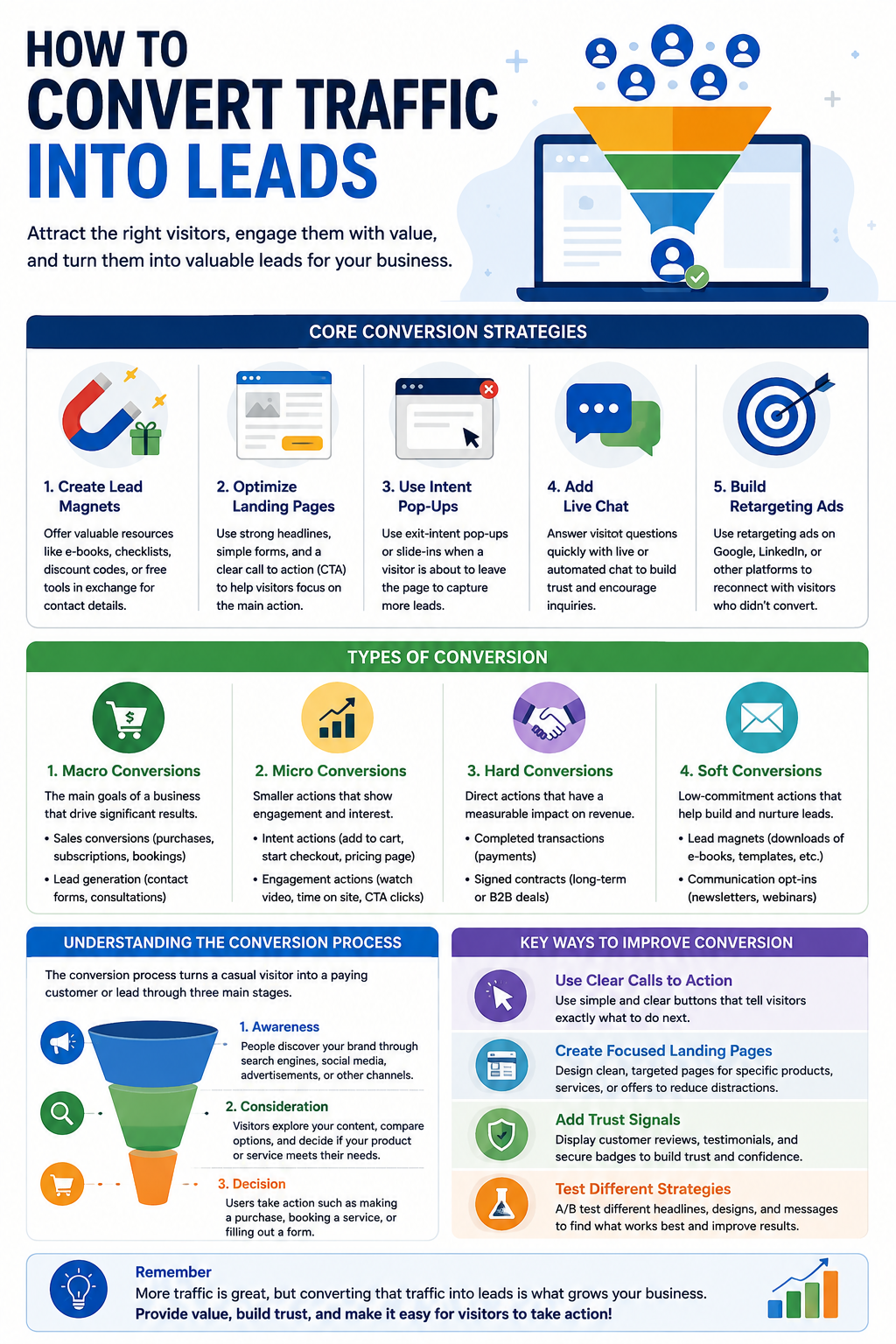
- Generate more leads.
- Increase sales.
- Improve brand awareness.
- Gain more social media followers.
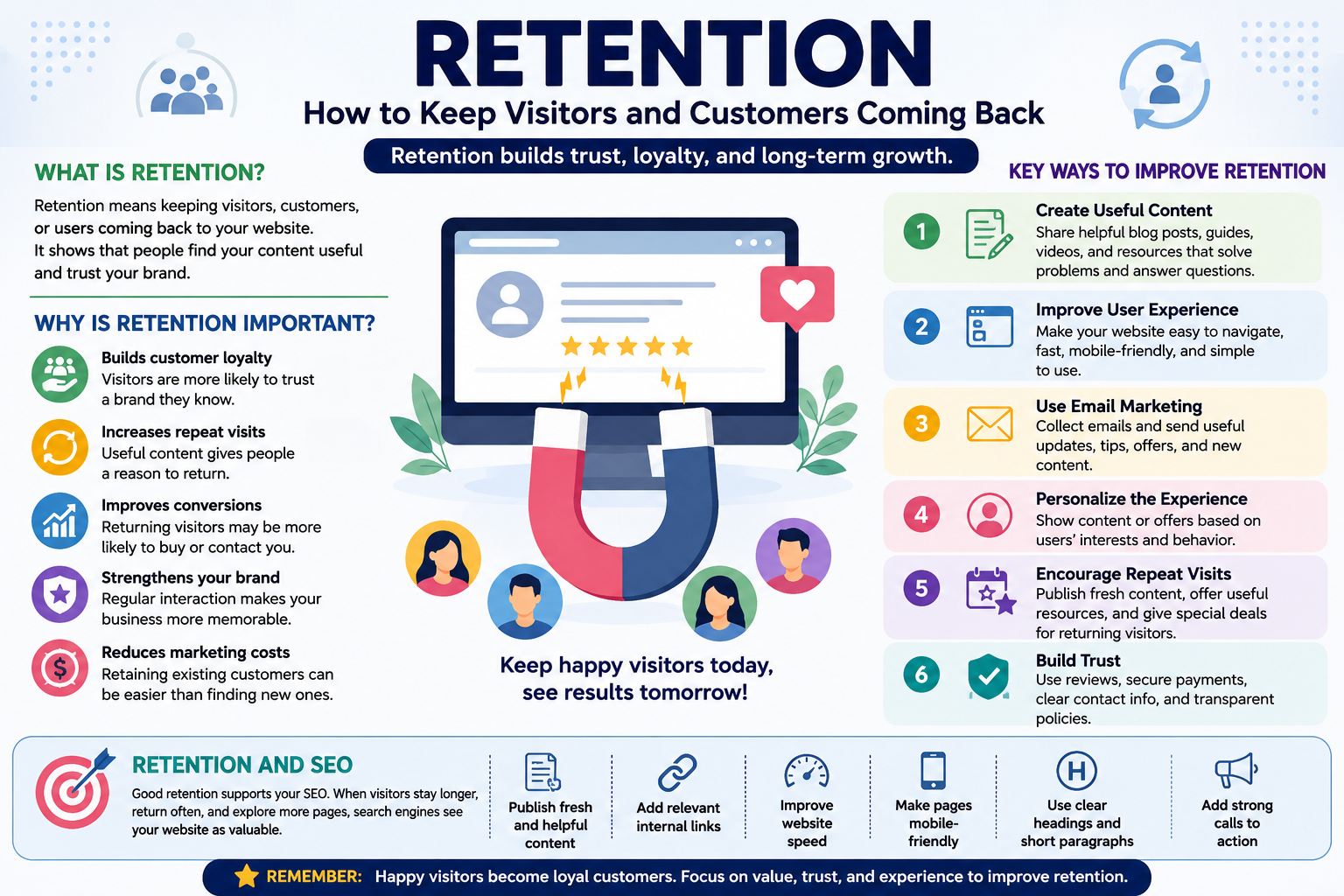
- Increase customer retention.
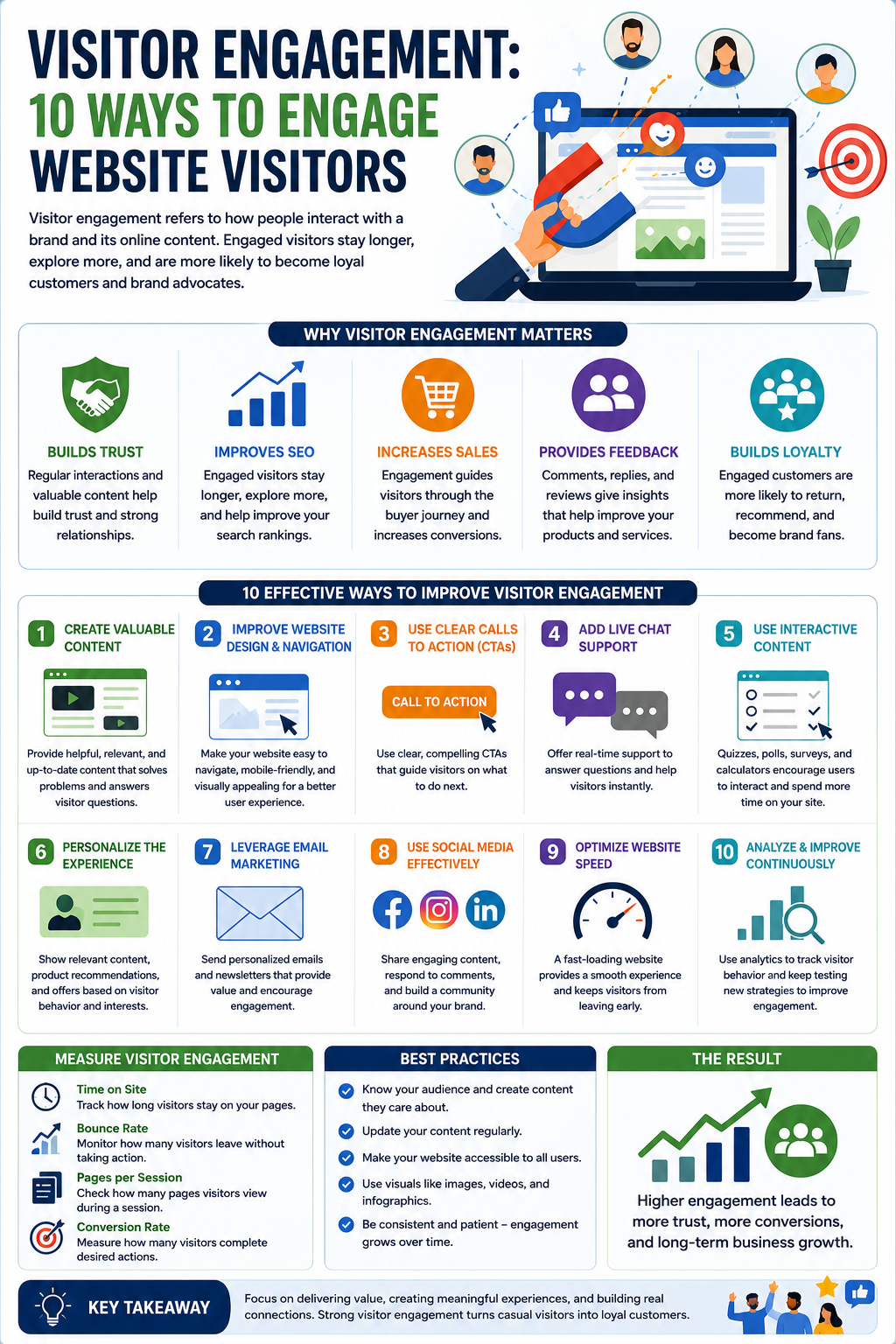
- Improve customer engagement.
Goals should be specific and measurable. This makes it easier to track progress.
6. Develop a Marketing Strategy
A marketing strategy explains how the business will achieve its goals.
It should identify the target audience, marketing channels, budget, message, and timeline.
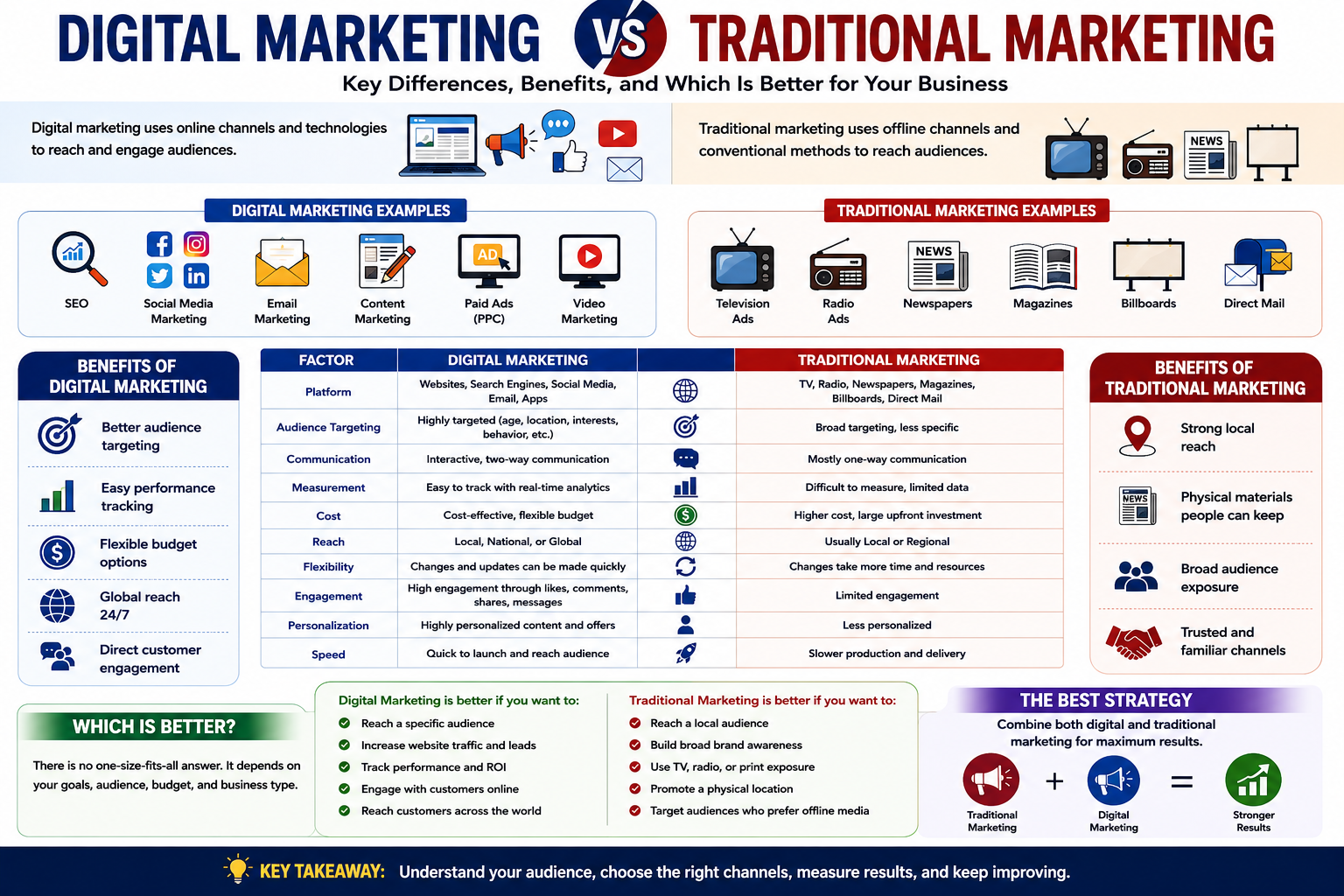
A strategy may include SEO, content marketing, social media marketing, email marketing, paid advertising, or traditional marketing.
Choose channels based on where your target audience spends time.
7. Create the Marketing Mix
The marketing mix is often explained through the 4 Ps of marketing:
Product
The product or service should solve a customer problem or meet a specific need.
Price
The price should provide value to customers while supporting the business’s financial goals.
Place
Place refers to how and where customers can access the product or service.
Promotion
Promotion includes the methods used to communicate with customers. These methods can include advertising, social media, email, SEO, content marketing, and sales promotions.
8. Create Valuable Marketing Content
Content helps businesses communicate with their audience.
Useful content can include:
- Blog posts
- Videos
- Infographics
- Social media posts
- Product guides
- Case studies
- Tutorials
- Email newsletters
Good content should answer questions, solve problems, or provide useful information.
9. Promote Your Product or Service
After creating the marketing plan and content, the business needs to promote its offer.
Digital channels can include:
- Search engines
- Social media
- Websites
- Online advertising
- Video platforms
Offline channels can include:
- Television
- Radio
- Newspapers
- Magazines
- Billboards
- Flyers
The right combination depends on the target audience and marketing goals.
10. Build Customer Relationships
Marketing does not stop after a customer makes a purchase.
Businesses should continue communicating with customers. Helpful support, useful content, loyalty programs, and personalized communication can strengthen customer relationships.
Strong relationships can encourage repeat purchases and customer loyalty.
11. Measure Marketing Performance
Measuring results is an important part of the marketing process.
Businesses can track metrics such as:
- Website traffic
- Leads
- Sales
- Conversion rate
- Click-through rate
- Social media engagement
- Customer retention
- Return on investment
These metrics show whether the marketing strategy is achieving its goals.
12. Analyze and Improve
The final step is to analyze the results and improve the strategy.
Look at what worked well and what did not perform as expected.
You can test different headlines, images, offers, keywords, advertisements, and calls to action.
Marketing becomes more effective when businesses learn from their data and customer feedback.
Marketing Process Example
Imagine a company wants to launch a new skincare product.
First, the company conducts market research. It learns what customers want and studies competing products.
Next, the company identifies its target audience. It then creates a product that meets customer needs.
The company sets a goal to increase product awareness and sales. It creates a marketing strategy using SEO, social media, email marketing, and online advertising.
After launching the product, the company tracks website traffic, leads, sales, and customer feedback.
Finally, it analyzes the results and improves its marketing campaigns.
This example shows how the marketing process works as a continuous cycle.
Understanding the Marketing Process and Digital Marketing
Digital marketing has become an important part of the modern marketing process.
Businesses can use digital channels to reach customers at different stages of their buying journey.
For example:
Awareness: Use social media, SEO, videos, and advertising to introduce your brand.
Interest: Provide helpful blog posts, guides, videos, and product information.
Consideration: Use reviews, testimonials, comparisons, and detailed product pages.
Purchase: Use clear calls to action and a simple checkout process.
Retention: Use email marketing, helpful content, customer support, and loyalty offers to encourage repeat purchases.
How SEO Supports the Marketing Process
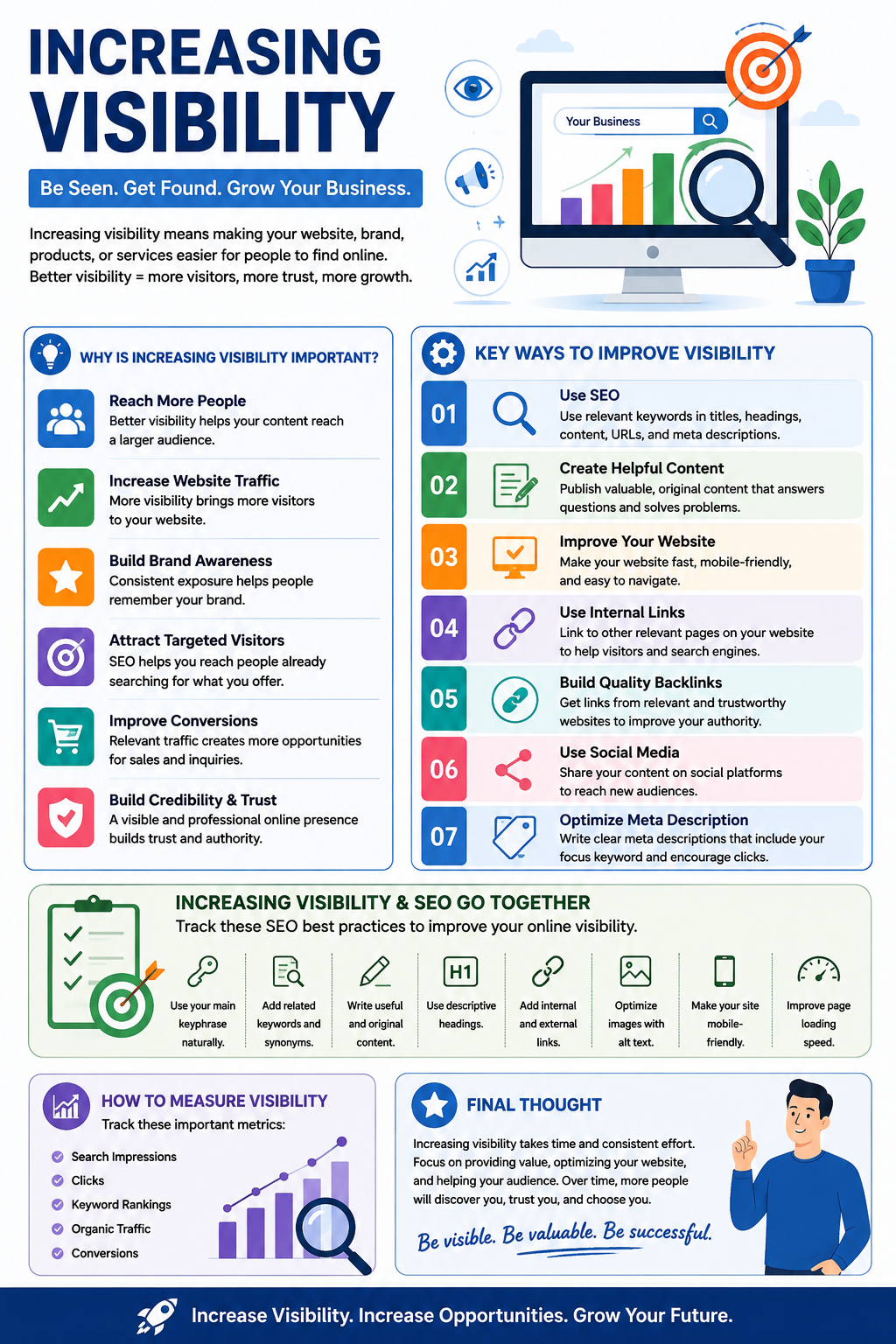
SEO can help businesses increase their online visibility. It allows potential customers to discover relevant content through search engines.
To support your marketing process with SEO:
- Research relevant keywords.
- Create useful content.
- Use keywords naturally.
- Write clear page titles.
- Create helpful meta descriptions.
- Use descriptive headings.
- Add relevant internal links.
- Add useful external links.
- Optimize images.
- Improve website speed.
- Make your website mobile-friendly.
SEO should be part of a wider marketing strategy. It should work together with content, social media, email, and other channels.
Common Marketing Process Mistakes
Businesses can make mistakes when planning their marketing activities.
Common mistakes include:
Not Understanding the Audience
Marketing becomes less effective when businesses do not understand their customers.
Setting Unclear Goals
Without clear goals, it is difficult to measure success.
Ignoring Competitors
Competitor research can reveal opportunities and potential threats.
Creating Content Without a Strategy
Publishing content without understanding customer needs may not produce useful results.
Not Measuring Results
If you do not track performance, you may continue spending money on strategies that do not work.
Failing to Improve
Marketing trends and customer behavior change over time. Businesses should regularly review and update their strategies.
Conclusion
Understanding the marketing process helps businesses create organized and effective marketing strategies. The process begins with research and customer understanding. It then moves through goal setting, strategy development, content creation, promotion, measurement, and improvement.
A successful marketing process is not a one-time activity. It is a continuous cycle.
Businesses should listen to their customers, monitor their results, and adapt their strategies. By following these steps, businesses can improve visibility, attract the right audience, build stronger relationships, and achieve long-term growth.




Leave a Reply