

What Is Marketing?
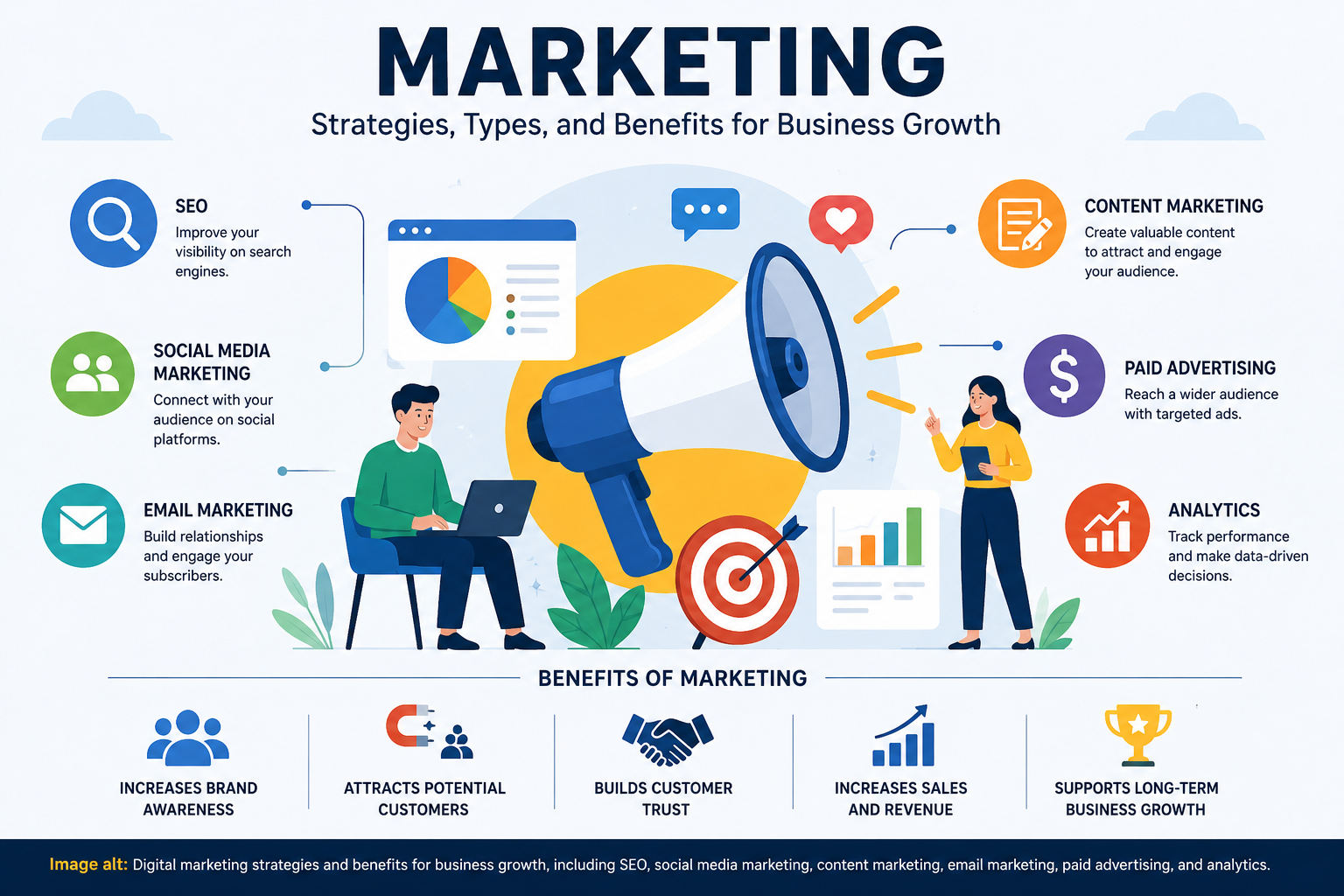
Marketing is the process of promoting products, services, or brands to reach the right audience and encourage them to take action. It helps businesses understand customer needs, communicate their value, build relationships, and increase sales.
Effective marketing is not only about selling a product. It is also about creating awareness, building trust, and providing customers with useful information. A successful marketing strategy connects a business with potential customers at the right time and through the right channels.
Why Is Marketing Important?
A strong promotional strategy plays an important role in the growth of almost every business. Without effective marketing, even a high-quality product may struggle to reach its target customers.
Some major benefits of marketing include:
- Increases brand awareness: Marketing helps more people discover your business.
- Attracts potential customers: Businesses can reach people who are interested in their products or services.
- Builds customer trust: Consistent and useful communication can create stronger relationships.
- Increases sales: Effective marketing can turn interested visitors into customers.
- Improves customer engagement: Businesses can communicate with customers through different channels.
- Supports business growth: A strong marketing strategy can help a company compete and expand.
Different Types of Marketing
Businesses can use different promotional methods depending on their goals, audience, budget, and industry.
Digital Marketing
Digital marketing uses online channels to promote products and services. These channels include search engines, websites, social media, email, and online advertising.
Common digital marketing methods include:
- Search engine optimization (SEO)
- Social media marketing
- Email marketing
- Content marketing
- Pay-per-click advertising
- Affiliate marketing
Online promotion allows businesses to reach a wider audience and measure many aspects of their campaigns.
Content Marketing
Content promotion focuses on creating and sharing useful content for a specific audience. Blog posts, videos, guides, infographics, and social media content are common examples.
The goal is to provide value while building trust and establishing the business as a useful source of information.
Social Media Marketing
Social media promotion uses platforms such as Facebook, Instagram, LinkedIn, and other social networks to connect with customers.
Businesses can use social media to:
- Share educational content
- Promote products and services
- Answer customer questions
- Build brand awareness
- Increase website traffic
- Encourage customer engagement
Email Marketing
Email campaigns allow businesses to communicate directly with existing and potential customers. Companies can send newsletters, product updates, special offers, and helpful information.
A well-planned email marketing campaign can help maintain customer relationships and encourage repeat purchases.
Search Engine Marketing
Search engine promotion focuses on increasing visibility in search engine results. Businesses can use both organic SEO techniques and paid search advertising to reach people who are actively looking for related products or services.
How Does Marketing Work?
A successful promotional process usually begins with understanding the target audience. Businesses need to know what their customers want, what problems they face, and how their products or services can help.
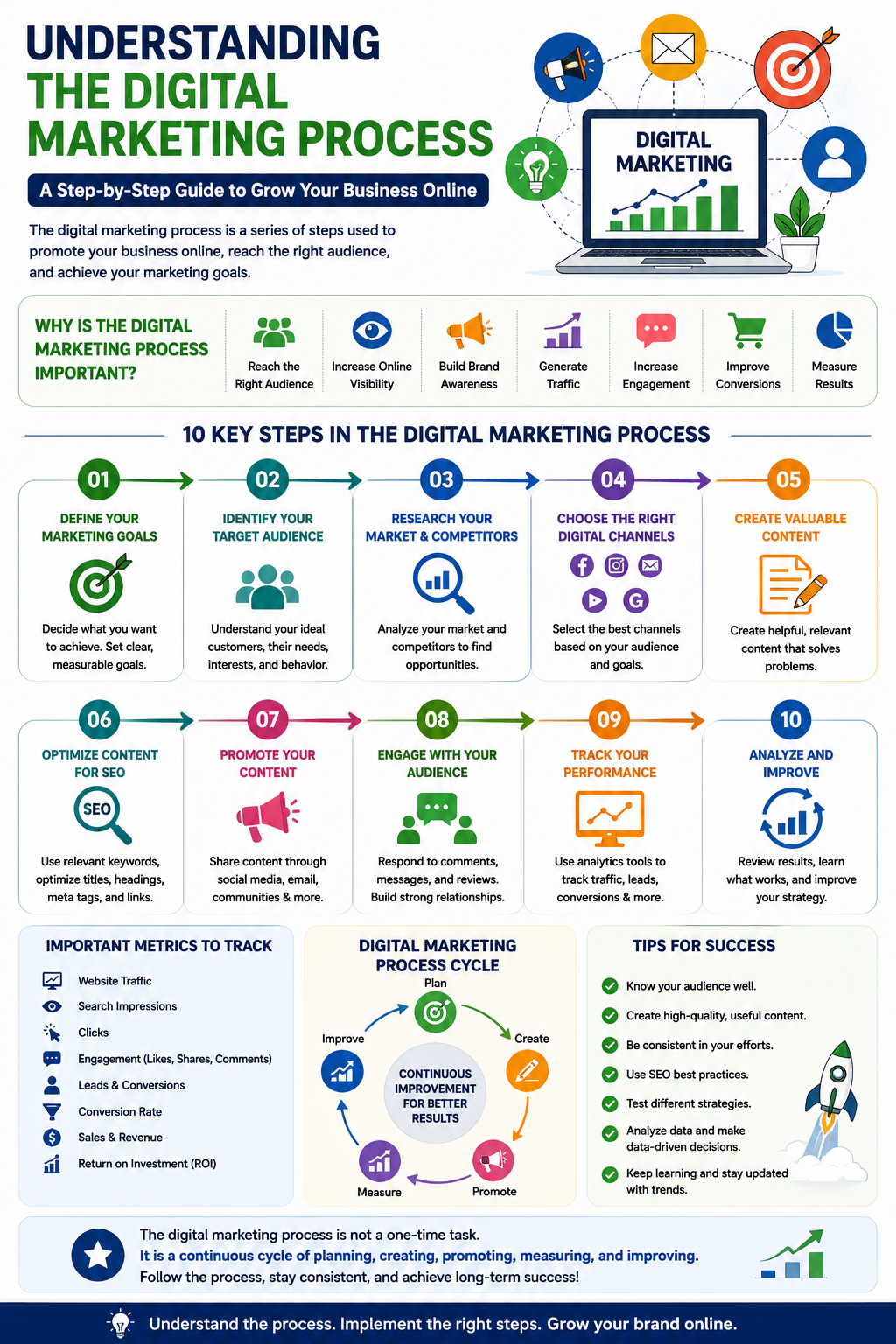
The basic marketing process includes:
1. Identify the Target Audience
First, determine who is most likely to need or purchase your product or service. Consider factors such as interests, needs, location, age, and purchasing behavior.
2. Understand Customer Needs
Research your audience to understand their problems and expectations. This information helps businesses create better products and more relevant marketing messages.
3. Create a promotional strategy
Set clear goals and choose the most suitable marketing channels. Your strategy should explain what you want to achieve and how you will reach your audience.
4. Create Valuable Content
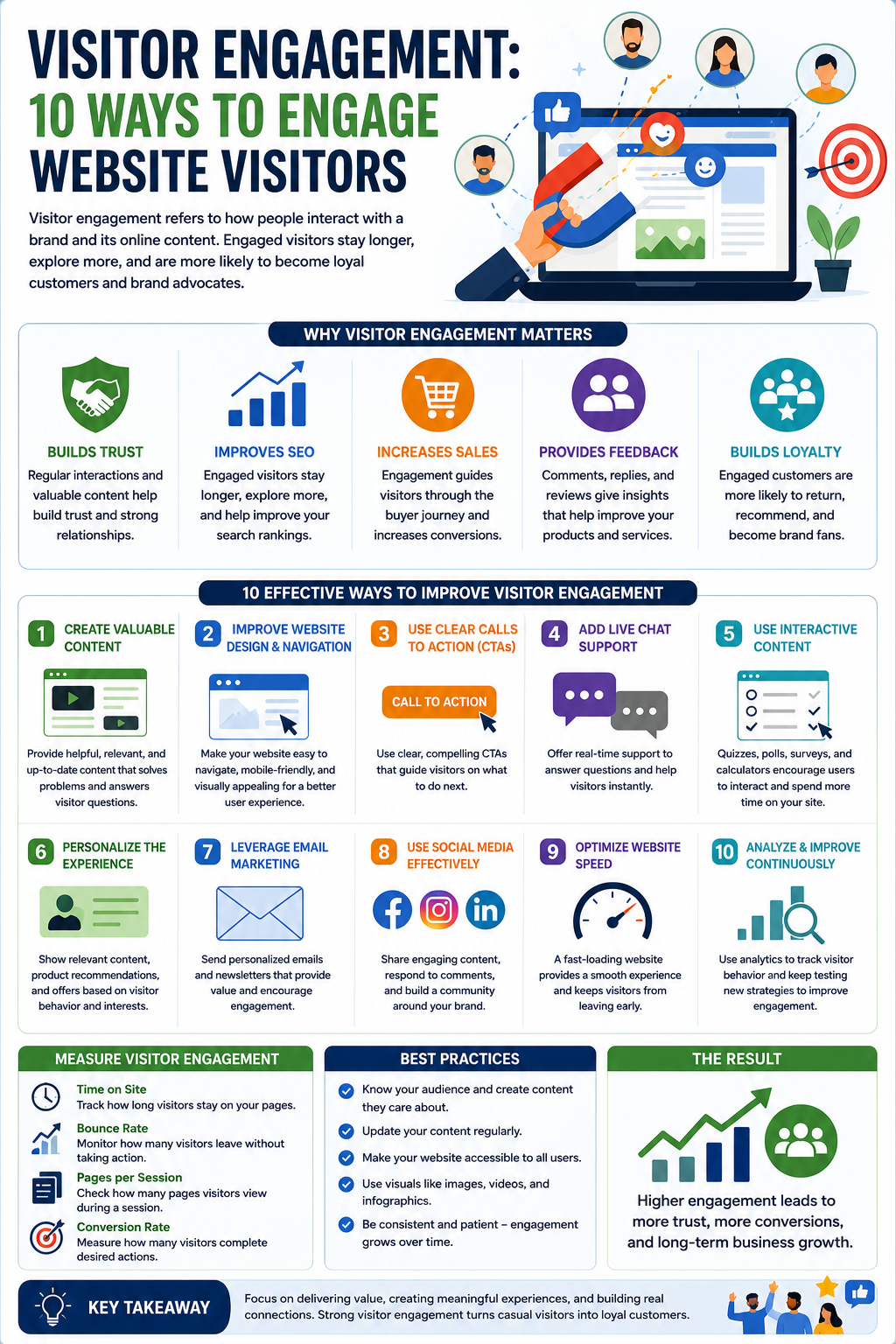
Develop content that answers customer questions and provides useful information. Valuable content can attract visitors and encourage them to interact with your business.
5. Promote Your Business
Use suitable channels such as SEO, social media, email, advertising, or content promotion to reach your target audience.
6. Measure the Results
Track important metrics such as website traffic, leads, engagement, conversions, and sales. Use these results to understand what is working and where improvements are needed.
The Role of SEO in Marketing
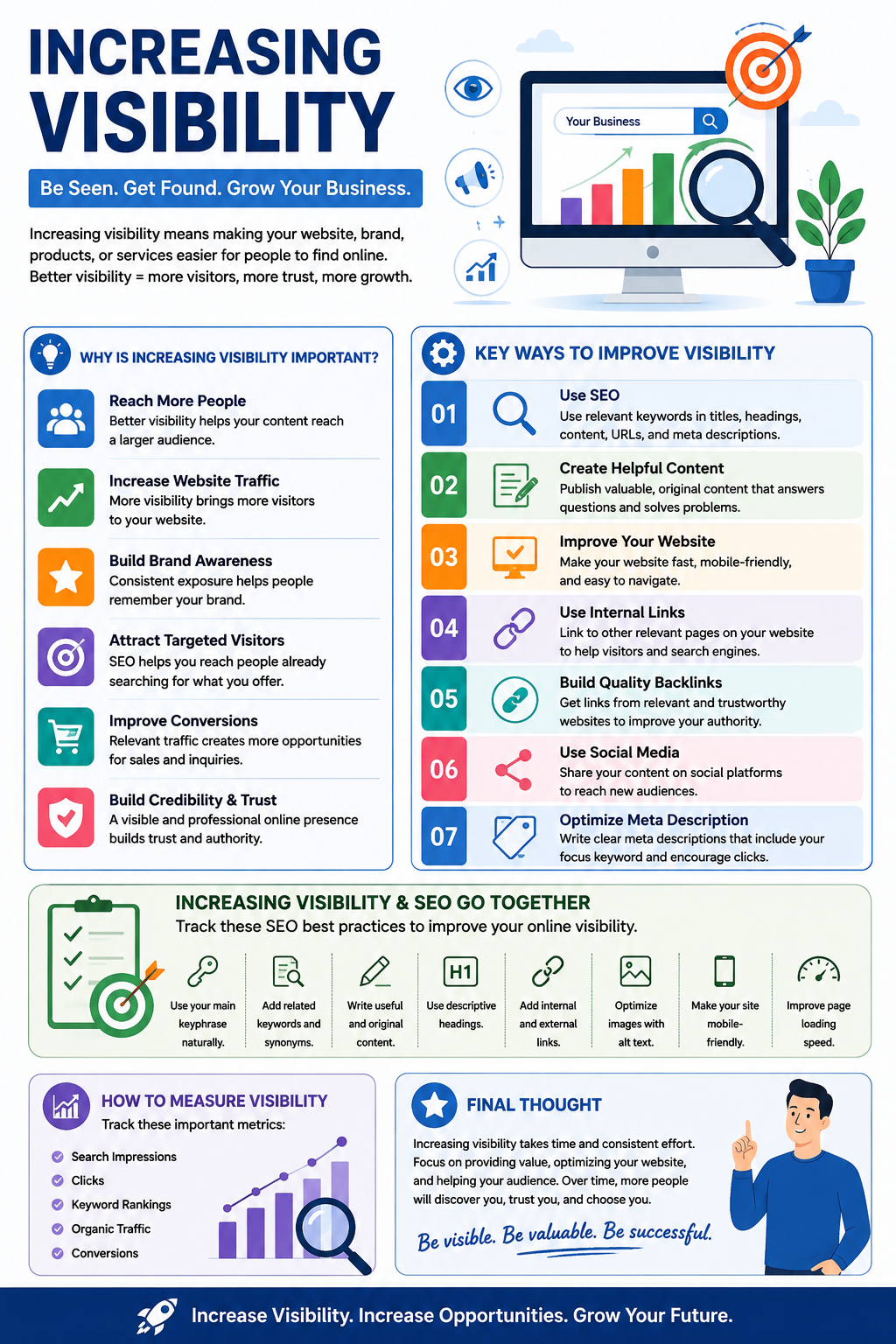
SEO is an important part of modern marketing because it helps websites appear in search engine results. When people search for information, products, or services related to a business, SEO can help that business become more visible.
Important SEO activities include:
- Using relevant keywords
- Creating useful content
- Improving website speed
- Optimizing page titles and descriptions
- Adding internal links
- Earning quality backlinks
- Optimizing images and alt text
- Creating a mobile-friendly website
Combining SEO with other marketing methods can help businesses attract more relevant visitors and improve their online presence.
Traditional Marketing vs Digital Marketing
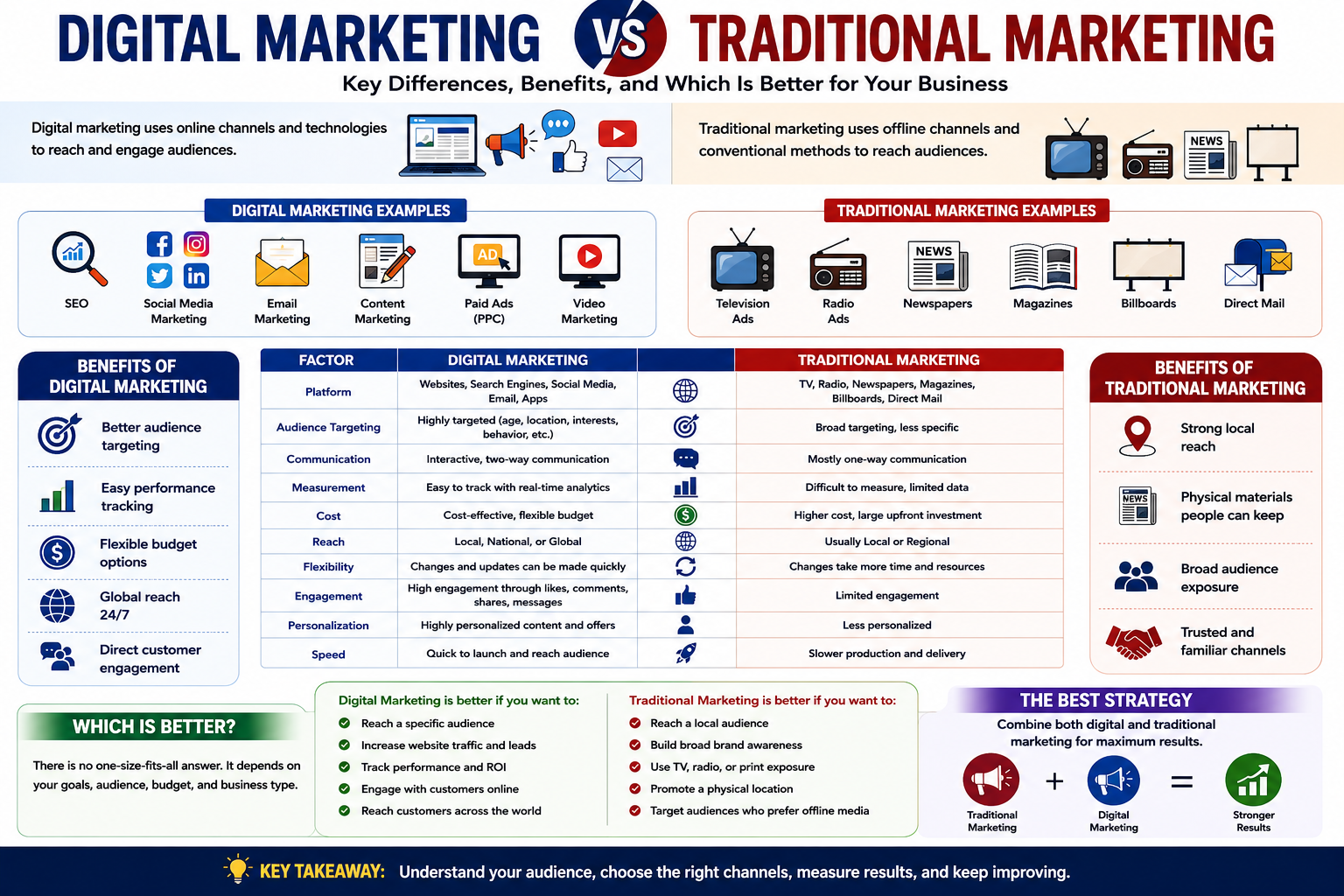
Traditional promotion includes methods such as television advertisements, radio, newspapers, magazines, billboards, and direct mail.
Online promotion uses channels such as search engines, websites, social media, email, and digital advertising.
Both approaches can be useful. However, online promotion provides businesses with many opportunities to target specific audiences and measure campaign performance.
Effective Marketing Strategies
A good business strategy should focus on the needs of the target audience. Some effective strategies include:
- Define clear goals: Know what you want your promotional campaign to achieve.
- Know your audience: Create messages based on customer needs and interests.
- Use multiple channels: Combine SEO, social media, email, and content promotion when appropriate.
- Create useful content: Answer questions and solve problems for your audience.
- Build trust: Use reviews, testimonials, case studies, and transparent information.
- Track performance: Analyze results and improve campaigns based on data.
- Keep testing: Test different messages, designs, offers, and channels to find what works best.
Benefits of a Strong Marketing Strategy
A well-planned business strategy can provide long-term benefits for a business.It can increase visibility, attract targeted traffic, generate leads, improve customer relationships, and support sales growth.
These promotional activities also help businesses understand their customers better. By analyzing customer behavior and campaign results, companies can make more informed decisions.
Conclusion
Marketing is an essential part of business growth. It helps companies understand their customers, communicate their value, build relationships, and reach new audiences.
Whether a business uses digital marketing, content marketing, social media, email marketing, SEO, or traditional methods, the most important goal is to connect with the right audience and provide genuine value.
A successful marketing strategy should be customer-focused, measurable, and flexible. By continuously analyzing results and improving their approach, businesses can increase visibility, attract potential customers, and achieve sustainable growth.



Leave a Reply